PHILIPPE BOLTON
HANDMADE RECORDERS & FLAGEOLETS
PRE-BAROQUE or TRANSITIONAL RECORDERS
Soprano (descant) recorder in c after Haka, "Handfluyt" or "van Eyck recorder"
(440, 466 or 415 Hz)
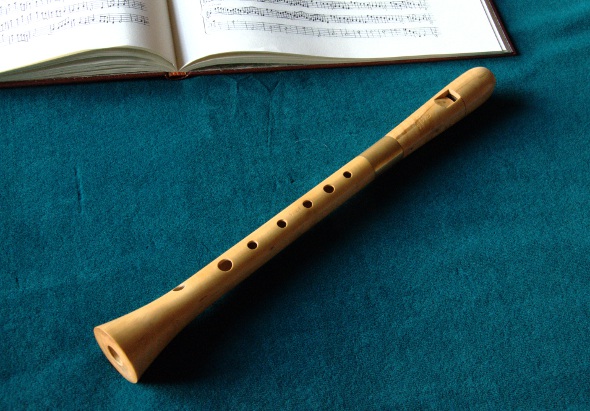
This recorder was designed after a transitional style instrument by Richard Haka, from the middle of the 17th century, in the Edinburgh University Collection of Historic Musical Instruments.
Click here to see the original recorder
The bore of this recorder after Haka, made from French boxwood, is fairly wide and only slightly conical, very different from that of his baroque style instruments. It gives a range of more than two octaves with historical fingerings (Mersenne or Blankenburgh). With its loud and stable low register and easy high notes it is particularly suitable for playing Jacob van Eyck's music and the 17th century Italian repertoire.
|
You can listen to the 440 Hz version here: |
You can listen to the 415 Hz version here |
 a video: A Nepalese tune played on this recorder at 5600 metres altitude, in front of Mount Everest
also visible on You Tube
Pre-baroque (transitional) alto recorder in g after Haka
440, 466 or 415 Hz
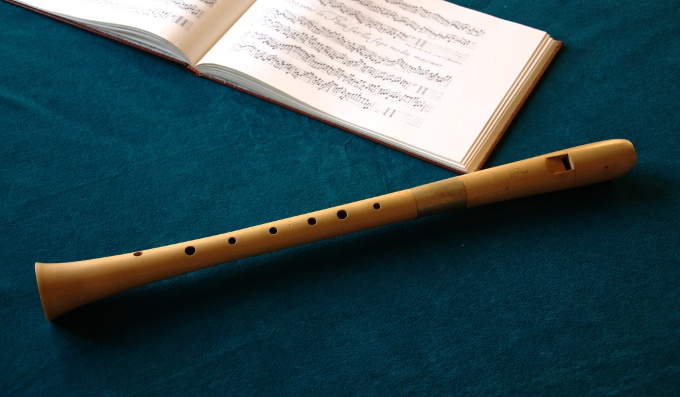
This recorder is derived from the Haka soprano above. It has the same range and fingerings, and can provide an alternative and more authentic solution than the Ganassi recorder for playing 17th century repertoire.
Click here to hear this instrument in a video:
Falconiero : La Suave Melodia
This vidéo is also visible on You Tube and Daily Motion
The instrument is made from French boxwood and has a range of more than 2 octaves like the soprano, with the same fingerings.
Pre-baroque (transitional) tenor recorder after an anonymous Italian instrument
(n° SAM 148 in the Kunsthistorisches Museum, Vienna)
440 or 466 Hz
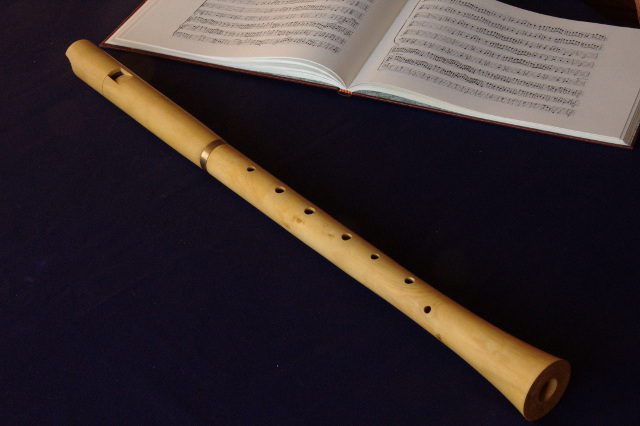
This solo recorder has the same musical qualities as the soprano and alto above, with a range of two and a half octaves, and can play the XVIIth century repertoire at actual pitch.
Its bore profile is similar to that of recorders by Rafi and of some instruments by Kinsecker.
The fingerings and range of more than two octaves are similar to those of the Haka recorders above, with easy speaking high notes and a fairly loud low register. The last hole is
near enough not to require a key, making fast playing easier. This instrument can be made from boxwood, fruit woods or palissander (rosewood).
Click here to see the original instrument
|
You can listen to the 466 Hz version here : |
You can listen to the 440 Hz version here:; |
Le poinçon de la flûte n° SAM 148 :
© khm